Cities pulse with the rhythm of human ambition, where urban architecture rises as concrete poetry written across skylines—towers piercing clouds, historic facades whispering beside glass giants, streets carved like canyons of light and shadow. From London’s layered centuries of stone and steel to futuristic visions in glass and curve, these designs capture humanity’s endless conversation with density, light, and movement. Modern high-rises reflect in historic canals, brutalist forms soften under street art, organic shapes nestle amid grid iron streets—each building a chapter in the ongoing story of how we live together in close proximity yet crave individuality. Imagine walking avenues where past and future collide in perfect tension, where every corner reveals new layers of ingenuity and resilience.
Steel Veins Through Concrete Canyons
As city lights flicker like distant stars reflected in glass rivers, urban architecture channels energy upward and outward, turning raw necessity into sculptural statements. These contemporary expressions draw from the metropolis’s restless pulse, offering ways to harmonize density with delight.
- Layered Facade Play: Stack glass and brick in rhythmic bands like sedimentary layers exposed in canyon walls, letting light carve ever-changing shadows across the surface.
- Green Vertical Veins: Let living walls climb towers like ivy claiming ancient cliffs, breathing oxygen into concrete lungs and softening harsh urban edges.
- Brutalist Raw Poetry: Embrace exposed concrete textures that weather like river stones, their honesty revealing the strength beneath aesthetic refinement.
- Curved Glass Horizons: Bend reflective surfaces to capture sky and surroundings, turning buildings into living mirrors that dissolve into clouds at dusk.
- Historic-Modern Juxtaposition: Nestle sleek glass beside Victorian brick, creating tension that sings like old rivers meeting new dams—contrast becoming harmony.
- Pedestrian Scale Atria: Carve public voids into tower bases like sheltered valleys in mountain ranges, inviting foot traffic and human scale amid giants.
- Kinetic Light Screens: Install responsive LED or perforated panels that shift with time or weather, making facades breathe like city itself exhaling at night.
- Adaptive Reuse Layers: Transform old warehouses into mixed-use hives, preserving industrial bones while injecting contemporary vitality like new sap in ancient trees.
- Urban Canopy Structures: Suspend lightweight roofs over public plazas like protective rock overhangs, offering shade and gathering without enclosing space.
Neon Trails Across Midnight Grids
Like city lights tracing veins through night canyons, crafting urban architecture demands balance between monumental scale and human intimacy. Follow this illuminated path to shape spaces where density fosters connection rather than alienation.
- Map the urban grain—study street patterns, sunlight paths, pedestrian flows—like reading canyon topography before carving new paths.
- Establish contextual dialogue—respect neighboring scales and materials while asserting contemporary identity, like tributaries joining ancient rivers.
- Prioritize public ground plane—activate street level with retail, plazas, greenery—like fertile valley floors nourishing surrounding heights.
- Layer vertical experience—vary floor heights, setbacks, terraces—like ascending canyon ledges offering new perspectives at each level.
- Harness natural systems—passive ventilation, daylight harvesting, rainwater collection—like letting mountain streams inform human settlement patterns.
- Sculpt light and shadow—design overhangs, fins, perforations that choreograph sun paths across interiors and facades like wind sculpting dunes.
- Integrate art and identity—commission murals, sculptures, lighting installations that root buildings in local culture like petroglyphs marking sacred ground.
- Ensure adaptability—design flexible floor plates and modular systems that evolve with changing needs, like river channels reshaping over seasons.
Urban architecture is civilization’s most visible signature—where collective dreams meet daily reality, where history stacks against tomorrow’s ambition. These designs remind us that cities are living organisms, constantly growing, adapting, reflecting the societies they shelter. From London’s eclectic centuries to visionary towers in emerging metropolises, the best urban architecture creates places that inspire awe while serving everyday life. It proves that density need not mean dehumanization; thoughtful design can elevate even the most crowded spaces into moments of beauty, connection, and wonder.
1. London’s Historic and Modern Skyline Contrast
Stand on a Thames bridge watching Gothic spires pierce beside gleaming glass towers, you’ll feel centuries compressed into single view like sedimentary layers exposed in canyon walls. The city breathes through this dialogue of old stone and new steel, creating visual rhythm that pulses with life. This urban architecture tells London’s story in vertical poetry.
Embrace such contrasts in your own city, and discover how history and innovation can harmonize rather than compete.
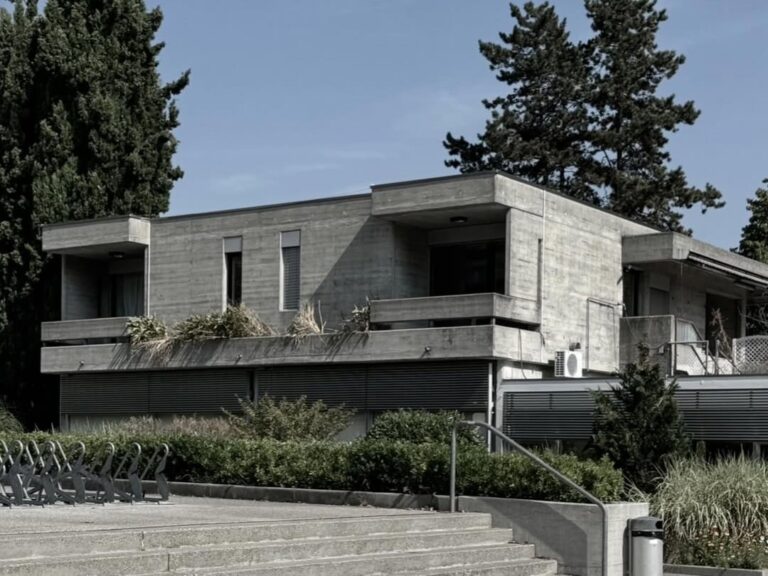
2. Brutalist Concrete Facade with Geometric Rhythm
Trace the raw concrete grid where shadows carve deep relief across the surface, you’ll appreciate brutalist honesty meeting precise proportion. The building feels monumental yet human-scaled through careful modulation of light and texture. This urban architecture finds beauty in material truth.
Let raw surfaces speak, and create buildings that age gracefully while maintaining quiet dignity.
3. Curved Modern Tower Reflecting Sky
Gaze at glass bending skyward in smooth arcs, you’ll see how reflection turns architecture into atmospheric instrument. The tower dissolves into clouds at upper levels, creating illusion of lightness despite massive scale. This urban architecture dances with its environment.
Design with reflection in mind, and let buildings become living mirrors of the city they inhabit.
4. Colorful Victorian Facades in Urban Setting
Walk streets lined with polychrome brick and ornate detailing, you’ll feel joy in preserved historic vibrancy amid modern density. The facades create visual rhythm like wildflowers blooming along canyon trails. This urban architecture celebrates layered history.
Preserve character while building new, and let cities grow richer through time rather than erasure.
5. Dramatic Nighttime Urban Facade Lighting
Watch illuminated patterns glow against dark sky, you’ll sense how artificial light sculpts architecture after sunset. Strategic uplighting and color create nocturnal drama that transforms daytime structures. This urban architecture lives differently by night.
Design for darkness as much as daylight, and extend architectural presence into every hour.
6. Contemporary Spanish Facade with Perforated Metal
Study perforated metal screens filtering light into intricate shadows, you’ll appreciate modern reinterpretation of traditional shading techniques. The facade breathes, moderating temperature while creating dynamic patterns. This urban architecture marries function and beauty.
Use screens thoughtfully, and create buildings that respond to sun like living organisms.
Similar Posts
7. Urban House with Green Roof and Courtyard
Discover intimate city home wrapped in greenery, you’ll feel oasis carved from dense fabric. Living roof and courtyard create microclimate of calm amid urban intensity. This urban architecture brings nature back into concrete landscapes.
Integrate green spaces vertically and horizontally, and reclaim human comfort in dense environments.
8. Futuristic Cityscape Rendering
Envision towering forms connected by sky bridges and green threads, you’ll dream of cities where architecture becomes ecosystem. Sustainable systems weave through structures like roots through soil. This urban architecture imagines tomorrow’s harmony.
Design with ecology first, and create cities that nurture rather than consume their inhabitants.
9. Colorful London Street with Historic Buildings
Stroll vibrant lanes where Georgian brick meets modern interventions, you’ll feel city’s living history underfoot. Layered facades create visual richness that evolves with every step. This urban architecture tells stories block by block.
Preserve diversity of scale and style, and let neighborhoods remain mosaics rather than monoliths.
10. Nighttime Urban Glow with Neon and Reflection
Walk wet streets where lights reflect in infinite patterns, you’ll sense nocturnal city revealing hidden beauty. Neon and glass create dreamlike atmosphere that transforms familiar scenes. This urban architecture comes alive after dark.
Design for night as much as day, and extend architectural experience across full spectrum of hours.
11. Organic Modern House Amid Urban Context
Discover flowing forms that soften hard urban edges, you’ll appreciate how curves bring human scale to density. Green roofs and natural materials create breathing spaces within concrete grid. This urban architecture softens the city.
Introduce organic shapes, and humanize even the most rigid urban environments.
12. Historic Urban Square with Modern Additions
Sit in ancient square framed by contemporary glass, you’ll feel dialogue across centuries happening in real time. The juxtaposition creates energy that feels alive and evolving. This urban architecture thrives on contrast.
Allow old and new to coexist boldly, and create places rich with temporal depth.
13. Artistic Urban Facade with Mural Integration
Admire building wrapped in vibrant mural that wraps corners and climbs heights, you’ll see street art becoming architectural skin. The artwork activates blank walls, turning structures into canvases. This urban architecture democratizes beauty.
Invite art onto facades, and transform anonymous buildings into neighborhood landmarks.
14. London Modern Tower Against Historic Backdrop
Frame sleek glass against Gothic stone, you’ll witness perfect urban contrast that energizes both elements. The reflection captures history in modern surface, creating layered reading of time. This urban architecture tells layered stories.
Use reflection strategically, and let buildings become mirrors of their surroundings and history.
Latest Posts
- 🚪 Thresholds of Tranquility: Entrance Lobby Design That Welcomes Like a Sunlit Meadow
- 🌊 Denim & Driftwood: Rustic Blue Bedroom Ideas That Feel Like a Lake at Twilight

- 🏛️ The Language of Light and Stone: Exploring Facade Architecture That Breathes Like a Living Canyon
- 🛋️ Living Room Interior: Heartwarming Design for Everyday Life
- 🏠 Modern Home Interior Design: Clean Lines, Minimalist & Functional Beauty
- 🏡 Countryside House Interior: Rustic Charm & Pastoral Peace
15. Traditional Asian Urban Street with Modern Inserts
Explore narrow lanes where temple roofs meet contemporary shopfronts, you’ll feel cultural continuity through architectural evolution. The mix creates vibrant human-scaled environment. This urban architecture preserves intimacy amid growth.
Maintain human scale in dense areas, and keep cities walkable and livable.
16. Japanese Apartment Block Resembling Castle
Discover residential block styled like feudal castle amid urban fabric, you’ll smile at playful reinterpretation of heritage forms. The design brings fantasy into everyday living. This urban architecture injects whimsy into density.
Allow playfulness, and let buildings bring joy to ordinary routines.
17. Chilean Urban Revival with Colorful Facades
Walk streets reborn with vibrant paint and restored details, you’ll witness city’s comeback through architectural pride. The colors create optimism in urban renewal. This urban architecture heals through beauty.
Invest in color and restoration, and transform neglected areas into sources of community pride.
18. Modern Japanese Office with Traditional Elements
Enter workspace blending shoji screens with glass walls, you’ll appreciate seamless fusion of heritage and innovation. Light filters softly while maintaining transparency. This urban architecture honors cultural roots in contemporary context.
Integrate traditional elements thoughtfully, and create spaces that feel both familiar and forward-looking.
19. Chicago Architectural Icons at Twilight
Gaze across lake at skyline of historic and modern masterpieces, you’ll understand why Chicago is called architectural capital. Each tower tells chapter in evolution of building art. This urban architecture showcases continuous innovation.
Study context, and appreciate how cities become living museums of design progress.
20. Neo-Andean Architecture in High-Altitude City
Discover colorful buildings celebrating indigenous forms in modern context, you’ll feel cultural pride rising in high mountain air. The architecture asserts identity while embracing contemporary function. This urban architecture empowers through design.
Honor local heritage boldly, and let buildings become statements of cultural continuity and pride.
21. Industrial Urban Structure with Brutalist Details
Admire raw concrete forms softened by time and use, you’ll appreciate industrial heritage repurposed for contemporary life. The textures tell stories of making and remaking. This urban architecture finds beauty in adaptation.
Preserve industrial bones, and create authentic character through honest materiality.
22. Constructivist Geometric Composition
Study bold geometric interplay of volumes and planes, you’ll sense revolutionary spirit expressed in pure form. The design rejects ornament for structural truth. This urban architecture celebrates function as beauty.
Embrace structural expression, and create buildings that declare their making proudly.
23. Nighttime Urban Scene with Dramatic Lighting
Experience city glowing under strategic illumination, you’ll feel architecture transformed by artificial light into nocturnal sculpture. Shadows deepen, details emerge differently after dark. This urban architecture performs differently at night.
Design for evening drama, and extend architectural experience across full day-night cycle.
Frequently Asked Questions
Q: What makes urban architecture different from other types?
Ans: Urban architecture responds to density, mixed use, public space, and contextual constraints, creating buildings that serve communities while contributing to city fabric rather than standing in isolation.
Q: How can cities balance historic preservation with modern development?
Ans: Thoughtful juxtaposition—allowing new buildings to respect scale, materials, and setbacks of historic neighbors while expressing contemporary identity—creates rich layered environments rather than sterile replicas or complete erasure.
Q: Why is green integration important in urban architecture?
Ans: Vertical gardens, green roofs, and courtyards combat urban heat islands, improve air quality, manage stormwater, and provide psychological benefits—making dense environments healthier and more livable.
Q: How does lighting transform urban architecture?
Ans: Strategic illumination reveals form, creates drama, enhances safety, and extends usability after dark—turning buildings into nocturnal landmarks while highlighting textures and details differently than daylight.
Q: What role does adaptability play in modern urban design?
Ans: Flexible floor plates, modular systems, and convertible spaces allow buildings to evolve with changing needs—ensuring longevity and relevance as urban patterns and technologies shift over decades.
Conclution
As city lights begin their nightly dance across glass and stone, urban architecture reveals its true nature—not as static monuments but as living frameworks for human stories, dreams, and connections. These buildings, from historic streets to visionary towers, remind us that cities are humanity’s greatest collaborative artwork, constantly rewritten by generations yet anchored in shared need for beauty, shelter, and belonging. The best designs create places where strangers become neighbors, where history informs innovation, where density fosters rather than diminishes life. You’ve journeyed through skylines and streets—now carry this inspiration home. Start with one thoughtful addition to your own space—a living wall, a carefully placed light, or simply a moment to appreciate the architecture around you—begin today, and contribute your own small mark to the endless story of urban life.