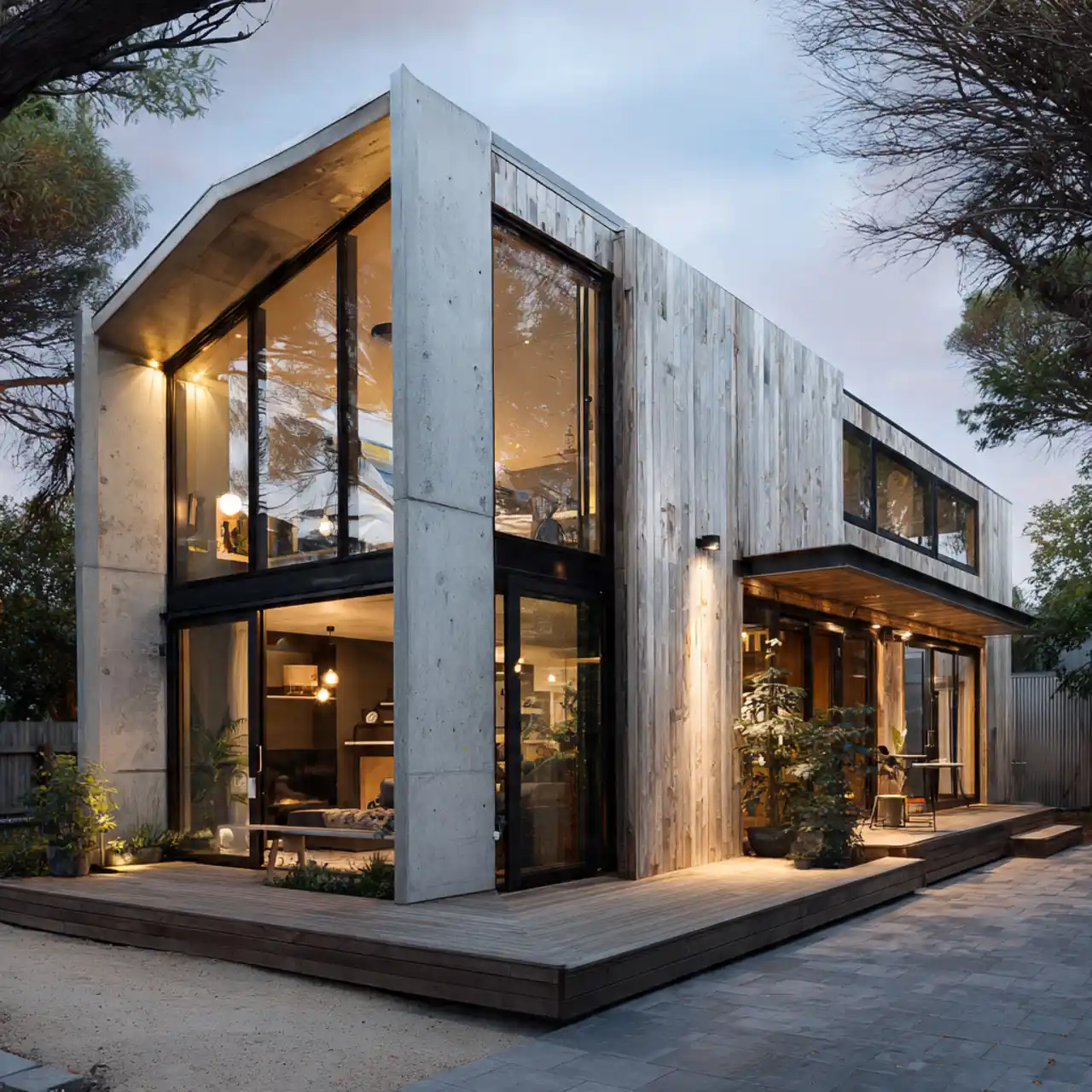
Are you ready to explore the fascinating world of module architecture? This post is designed to ignite your creativity and inspire your home decor projects. I’ve been captivated by the sheer beauty and practicality of modular designs. From tiny homes that maximize every inch to innovative living spaces that blend style with function, modular architecture has something for everyone.
If you’re someone who appreciates aesthetic appeal and is seeking unique design inspiration, you’re in the right place. Whether you are an architect, a designer, or simply a homeowner looking to refresh your space, this blog post has you covered. It’s filled with ideas that can transform the way you think about living environments.
In this post, I’ve gathered 25 module architecture inspirations that will not only spark your imagination but also provide practical ideas for your own spaces. Each section highlights a different aspect of modular design, showing you how to create stylish, innovative living areas that suit your lifestyle. Get ready to dive into a world of colorful, cozy, and eco-friendly modular homes that will leave you inspired!
Key Takeaways
– Discover various modular design styles that cater to different tastes and preferences, from Scandinavian minimalism to industrial chic.
– Learn about eco-friendly options that help you create sustainable living spaces without compromising on style or comfort.
– Explore multi-functional spaces that adapt to your needs, making your home more practical and enjoyable.
– Get inspired by customizable designs, allowing you to personalize your living area to reflect your unique personality and lifestyle.
– Understand the benefits of modular architecture in creating efficient, innovative living solutions that enhance your everyday life.
1. The Compact Marvel: Tiny Modular Homes

Tiny modular homes have become a favorite for those seeking stylish yet efficient living solutions. Their clever designs maximize space and often feature multifunctional furniture, perfect for those who appreciate minimalist aesthetics. Imagine a tiny home adorned with large windows that invite ample natural light and breathtaking views, enhancing the overall ambiance. These homes often utilize sustainable materials, making them eco-friendly options for modern living.
To fully embrace this compact lifestyle, consider practical tips that make a difference. Opt for vibrant colors and mirrors to create an illusion of spaciousness. Look for budget-friendly alternatives like foldable beds and expandable tables, which can easily adapt to your needs. Connecting indoor spaces with outdoor elements, such as decks or patios, can significantly extend your living area.
Consider these elements to maximize your tiny home experience:
– Pair bright colors with mirrors to enhance space.
– Install foldable furniture for multifunctional use.
– Use outdoor areas like decks to expand living space.
– Incorporate built-in storage to minimize clutter.
By focusing on efficient designs and sustainable materials, tiny modular homes offer a unique aesthetic that resonates with modern homeowners seeking innovative living solutions.
2. Nature-Inspired Designs

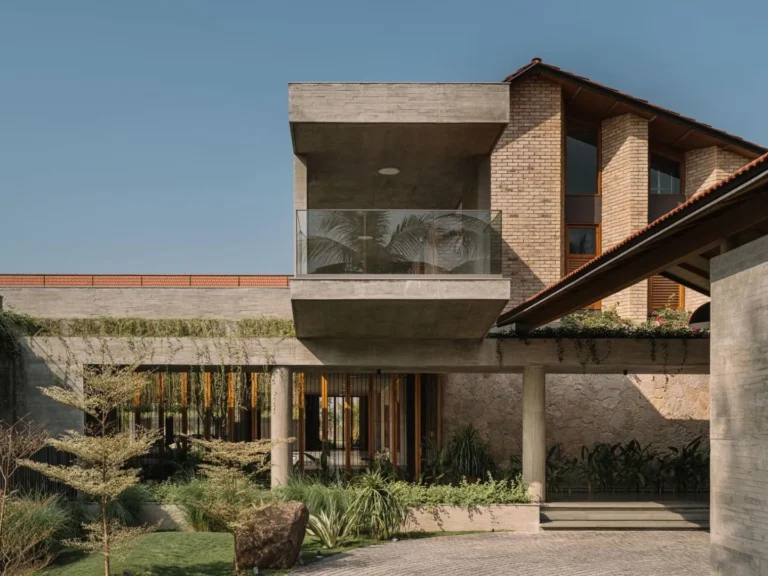
Nature-inspired designs are a beautiful way to bring the outdoors inside. Modular homes featuring open layouts that blend natural materials, such as wood and stone, create a soothing environment. Envision a space where your living area flows seamlessly into a lush garden, filled with vibrant greenery. Large glass walls can offer unobstructed views and fill your home with natural light, fostering a deep connection to nature.
To enhance this design trend, consider easy implementation strategies. Incorporate sustainable wood and stone elements for warmth and authenticity. Explore options for green roofs that not only insulate but also support local biodiversity. Adding biophilic design features, such as indoor plants, can enhance your connection to the natural world.
Here are some ideas to create a nature-inspired home:
– Use reclaimed wood and natural stone for authenticity.
– Install green roofing to promote biodiversity.
– Integrate indoor plants for a lively atmosphere.
– Create large glass walls for panoramic views.
These nature-inspired modular homes offer a peaceful retreat, making them ideal sanctuaries from the hustle and bustle of urban living.
📹 Related Video: Inside a Woodland Home Built Over Water to Become One With Nature | Architectural Digest
3. Multi-Unit Modular Living

Multi-unit modular homes are an excellent choice for urban living, combining style with functionality. These designs maximize available space while creating an inviting atmosphere for families or roommates. Visualize a modular apartment complex that includes shared gardens and lounges, fostering a vibrant community spirit.
To effectively implement these ideas, think about shared amenities that enhance communal living. Rooftop gardens and communal kitchens can encourage interaction among residents. Offering diverse layouts can cater to a variety of family sizes and needs while ensuring sustainability with eco-friendly materials.
Consider these essential features for multi-unit living:
– Incorporate rooftop gardens for shared relaxation.
– Offer diverse apartment layouts for different needs.
– Use eco-friendly materials for sustainable living.
– Design communal spaces for social interaction.
With innovative designs and community-focused amenities, multi-unit modular homes redefine urban living, promoting harmony among residents.
4. The Versatile Workspace

As remote work becomes increasingly prevalent, modular homes that integrate dedicated workspaces are essential. These homes can effortlessly transition from cozy living areas to efficient office spaces, creating ideal environments for productivity. Imagine a home office filled with modern furnishings, abundant natural light, and inspiring views that boost creativity.
For practical implementation, consider design strategies that support both relaxation and productivity. Utilize sliding partitions to create separate work areas when necessary. Invest in ergonomic furniture that prioritizes comfort during long work hours, and ensure that your space is tech-friendly with ample outlets and smart technology.
Here are some tips to create a versatile workspace:
– Use sliding partitions to separate work areas.
– Invest in ergonomic chairs and desks for comfort.
– Incorporate smart tech for efficient workspace.
– Create inspiring views for creativity.
This focus on adaptable living spaces ensures that homes evolve with the needs of their occupants while maintaining a stylish appearance.
5. Colorful Modular Designs

Who says modular homes need to stick to neutral palettes? Bright and colorful designs are emerging, injecting personality and energy into living spaces. Imagine a vibrant home where bold colors delineate spaces, set moods, and reflect the homeowner’s unique character.
To achieve this lively aesthetic, consider incorporating practical elements that make a difference. Use accent walls with vivid paints or wallpapers to create focal points in your home. Explore colorful light fixtures and furniture that can add charm without overwhelming your space. Don’t forget to play with the exterior, opting for distinctive colors that catch the eye.
Here are some ideas to embrace colorful designs:
– Create accent walls with vibrant paint or wallpaper.
– Incorporate colorful light fixtures for style.
– Use unique colors for exterior facades.
– Mix and match furniture colors for a playful look.
These colorful modular designs celebrate creativity and fun, transforming living spaces into vibrant environments.
How To Choose the Right Modular Architecture Design
Choosing the right modular architecture design can be an exciting yet overwhelming task. With so many options available, it’s essential to narrow down your choices based on specific criteria. Here are some key points to consider:
1. Size
Think about how much space you need. Modular designs come in various sizes, from compact tiny homes to larger multi-unit dwellings. Measure your property and consider how many rooms you want. A smaller design might offer the simplicity and efficiency you crave, while a larger layout can provide more comfort for families or guests.
2. Material
The materials used in modular architecture can significantly affect both aesthetics and durability. Common choices include wood, steel, and concrete. Each material has its benefits; for instance, wood may give a warm, rustic feel, while steel can offer a modern, industrial look. Also, consider the longevity and maintenance of these materials to ensure they fit your lifestyle.
3. Aesthetic Appeal
The visual design is crucial when selecting a modular home. Think about what styles resonate with you—modern, rustic, or maybe a blend of both. Look for designs that inspire creativity and make you feel at home. Consider how the exterior matches your surroundings and how the interior layout suits your needs.
4. Features & Functionality
What features are must-haves for you? Do you need open spaces or designated rooms? Look for modular homes that offer built-in storage solutions, multi-functional areas, or customizable layouts that fit your lifestyle. Think about how you plan to use the space, whether it be for working, entertaining, or relaxing.
5. Budget
Budget constraints will play a significant role in your decision-making process. Modular homes can range widely in price based on size, materials, and features. Create a budget that factors in construction costs, land expenses, and any additional features you desire. Always keep a margin for unexpected costs.
6. Sustainability
If eco-friendliness is important to you, look for modular designs that focus on sustainability. Many modern modular homes use green building materials and energy-efficient techniques. These designs can save you money on utility bills and reduce your carbon footprint. Look for features like solar panels, rainwater harvesting systems, and high-quality insulation.
Pro Tip: Start by creating a mood board with your favorite styles, materials, and layouts. This visual representation can help clarify your preferences and guide your discussions with architects or builders. Remember, a modular home should reflect your personality and lifestyle, so take your time in selecting the right design for you!
6. Industrial Chic Modular Homes

Industrial chic is an aesthetic that has found its way into modular homes, blending edgy design with modern comforts. Picture exposed brick, steel beams, and expansive windows that showcase the raw beauty of materials while maintaining a cozy feel. This style merges rustic charm with contemporary living, making each space uniquely inviting.
To achieve this look, focus on materials that enhance authenticity. Use reclaimed wood, metal fixtures, and concrete to create a warm yet edgy atmosphere. Open floor plans can emphasize spaciousness, while vintage-style lighting adds character and charm to the overall design.
Consider these features for an industrial chic home:
– Use reclaimed wood and metal for authentic appeal.
– Design open floor plans to enhance spaciousness.
– Incorporate vintage-style fixtures for charm.
– Play with textures to add depth to the design.
Industrial chic modular homes attract those seeking a stylish blend of vintage and modern elements, offering a practical yet fashionable living experience.
7. Scandinavian Minimalism

Scandinavian design embodies simplicity and functionality, aligning perfectly with the principles of modular architecture. These homes emphasize beauty and practicality, featuring clean lines and soft, neutral color palettes. Envision a sleek, minimalist home where every furniture piece serves a purpose, and natural light floods the interior, creating a calming atmosphere.
To implement this design philosophy, focus on decluttering and creating a sense of spaciousness. Embrace natural materials, such as light woods and soft textiles, to add warmth to your space. Opt for multi-functional furniture that saves space while offering versatility.
Here are some tips to achieve Scandinavian minimalism:
– Embrace a decluttered approach to enhance beauty.
– Use light wood and soft textiles for warmth.
– Choose multi-purpose furniture to maximize space.
– Incorporate ample natural light for a refreshing feel.
Scandinavian modular homes create a cozy yet airy ambiance, providing a perfect backdrop for uncomplicated living.
8. Eco-Friendly Modular Designs

Sustainability is a key focus in modern architecture, and modular designs are no exception. Eco-friendly modular homes utilize sustainable materials and energy-efficient designs, making them ideal for environmentally conscious homeowners. Imagine a residence powered by solar energy, complete with rainwater harvesting systems and surrounded by native greenery.
To embrace eco-friendly living, consider sourcing materials that reflect your commitment to sustainability. Use recycled and sustainably sourced materials to construct your home. Implement energy-efficient appliances and consider solar panels as part of your design. Designing edible gardens or integrating native landscaping can further enhance your home’s ecological footprint.
Consider these eco-friendly strategies:
– Source recycled materials for construction.
– Incorporate energy-efficient appliances for savings.
– Design gardens that support biodiversity.
– Use solar panels for renewable energy.
Eco-friendly modular homes not only provide comfort but also foster a sustainable lifestyle, perfect for those who are mindful of their environmental impact.
More Like This
- 🚪 Thresholds of Tranquility: Entrance Lobby Design That Welcomes Like a Sunlit Meadow
- 🌊 Denim & Driftwood: Rustic Blue Bedroom Ideas That Feel Like a Lake at Twilight
- 🏛️ The Language of Light and Stone: Exploring Facade Architecture That Breathes Like a Living Canyon
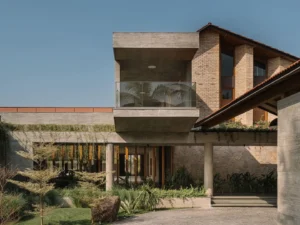
- 🛋️ Living Room Interior: Heartwarming Design for Everyday Life
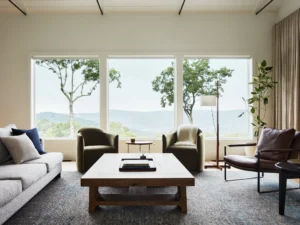
- 🏠 Modern Home Interior Design: Clean Lines, Minimalist & Functional Beauty
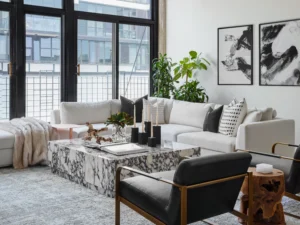
- 🏡 Countryside House Interior: Rustic Charm & Pastoral Peace
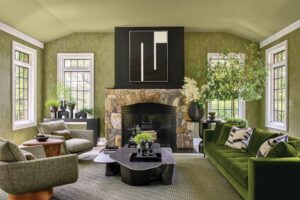
9. Smart Modular Living

The rise of smart home technology has revolutionized our interactions with living spaces. Modular homes equipped with smart technology enhance convenience and security, transforming everyday living. Imagine controlling your lighting, temperature, and security systems all from your smartphone or voice commands, making life simpler and more efficient.
To implement smart features effectively, consider integrating various smart devices throughout your home. Install smart thermostats and lighting systems for enhanced control. Set schedules for appliances to optimize energy usage, and utilize apps to monitor energy consumption for greater efficiency.
Here are some ways to incorporate smart technology:
– Integrate smart thermostats for efficient climate control.
– Set schedules for appliances to save energy.
– Use smart security systems for enhanced safety.
– Monitor energy consumption through apps for savings.
Smart modular living introduces a new level of comfort and control, ensuring homes are equipped for the future.
10. Historical Influences in Modular Design

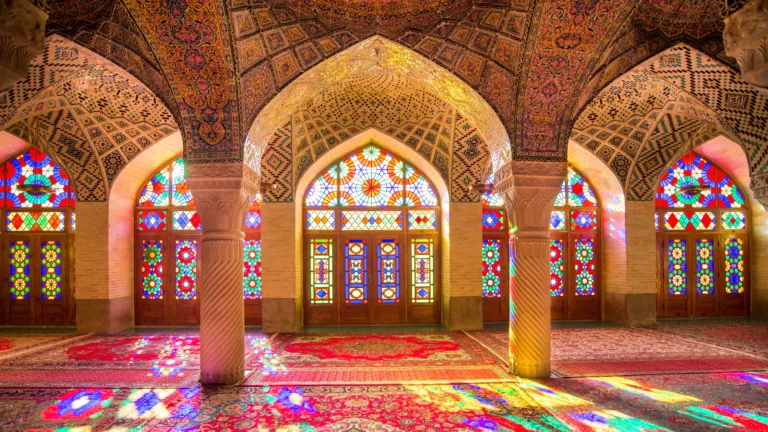
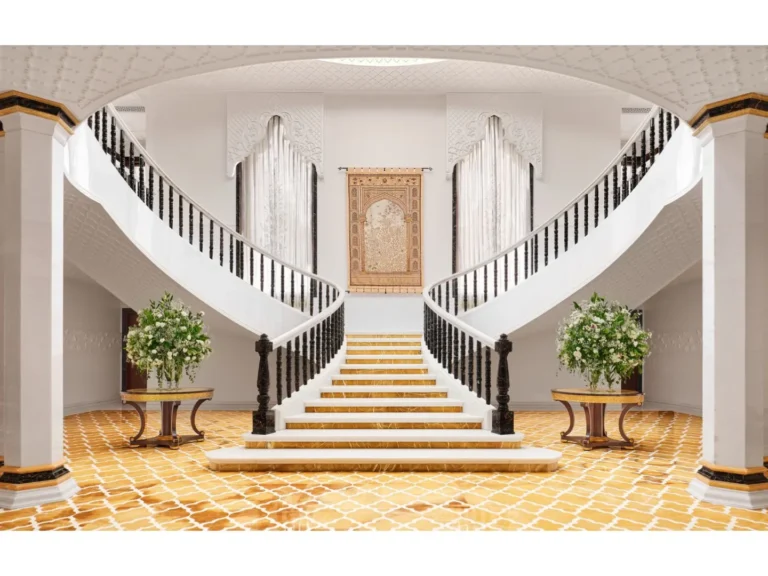
While modular architecture is a contemporary concept, it often draws inspiration from historical styles. Picture modular homes that incorporate classic architectural features like columns, arches, or traditional roof designs, creating a unique blend of old and new. This fusion results in living spaces that spark conversation and tell a story.
To achieve this blend, focus on incorporating historic details that enhance your design narrative. Use crown molding or antique-style fixtures to add character. Mixing historical elements with modern designs can create a stunning visual contrast, while showcasing styles from various cultures can enrich the overall aesthetic.
Consider these strategies for historical influences:
– Include historic details like crown molding.
– Mix modern elements with traditional designs.
– Showcase cultural influences through architecture.
– Use antique-style fixtures for added character.
Historically inspired modular homes celebrate the past while embracing the comforts of modern living.
11. Floating Modular Homes

Have you ever envisioned living on water? Floating modular homes offer a unique lifestyle, providing stunning views and a tranquil setting. Picture waking up to the gentle sounds of water lapping against your home, surrounded by serene natural beauty.
To create a floating modular home, choose materials that can withstand moisture and water exposure. Ensure easy access points to the land for convenience, and consider eco-friendly practices that promote sustainability in waste and energy use.
Here are some essential features for floating homes:
– Select waterproof materials for durability.
– Create easy access points for land connectivity.
– Implement sustainable practices for energy and waste.
– Design with buoyancy in mind for stability.
Floating modular homes offer an adventurous yet comfortable living experience, allowing homeowners to connect with nature in a unique way.
12. Luxury Modular Living

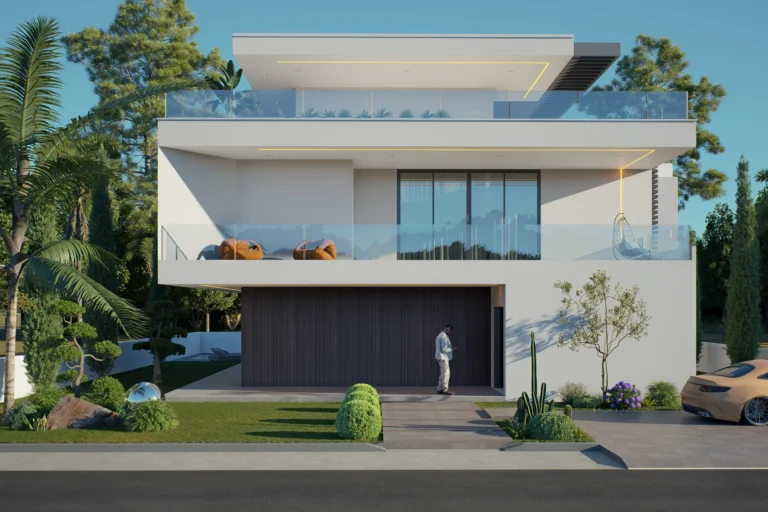
Luxury is not confined to traditional homes; modular designs can also cater to high-end living. Imagine a spacious modular home featuring high ceilings, premium materials, and state-of-the-art amenities, combining opulence with modern efficiency.
For a luxurious feel, focus on quality materials like marble and granite for finishes. Offer custom designs tailored to individual tastes, ensuring that each home reflects its owner’s personality. High-end amenities such as home theaters, pools, or spa baths can elevate the living experience.
Consider these elements for luxury modular living:
– Use premium materials like marble and granite.
– Offer custom layouts tailored to specific needs.
– Incorporate high-end amenities for added comfort.
– Ensure spacious designs for an airy feel.
Luxury modular homes provide an elegant alternative for those seeking refined living combined with innovative design.
13. Modular Homes for Rural Living

With the growing appeal of rural living, modular homes present an excellent choice for those looking to escape the hustle and bustle of city life. These homes can harmoniously blend into their natural surroundings, offering a cozy retreat away from urban chaos. Picture a rustic modular home nestled in the woods, designed to minimize environmental impact while maximizing comfort.
To achieve rustic charm, utilize natural finishes and earthy tones that complement the landscape. Consider designs that enhance energy efficiency by maximizing passive solar energy. Outdoor spaces like porches or decks can provide perfect spots for enjoying nature.
Here are some tips for rural modular living:
– Use natural finishes for a rustic feel.
– Design for passive solar energy efficiency.
– Incorporate porches for outdoor enjoyment.
– Choose earthy tones to blend with nature.
Modular homes in rural settings promote a tranquil lifestyle while ensuring modern comforts are within reach.
14. The Future of Modular Architecture

As architecture evolves, modular designs are paving the way for the future of home building. The emphasis is shifting towards smart technology, sustainability, and customizable designs that reflect individual preferences. Envision a futuristic modular home equipped with cutting-edge technology and eco-friendly materials, showcasing a glimpse of tomorrow’s living.
To stay ahead, focus on creating adaptive designs that accommodate changing needs over time. Prioritize smart sustainability by incorporating innovations that promote eco-friendly living. Ensure that designs resonate with the lifestyles of modern families, reflecting their unique preferences.
Here are some ideas for future modular architecture:
– Design homes that can adapt to changing needs.
– Incorporate smart technology for convenience.
– Focus on sustainability with eco-friendly materials.
– Reflect modern lifestyles in architectural designs.
The future of modular architecture is bright, blending creativity, technology, and sustainability into the homes of tomorrow.
15. Family-Friendly Modular Designs

When it comes to family living, modular homes offer ample space and flexibility while maintaining a warm, inviting atmosphere. Picture designs that include open play areas, clever storage solutions, and family-centric spaces ideal for bonding. Imagine a home where children can play freely while parents enjoy their own spaces.
To create family-friendly environments, focus on flexible layouts that promote communal living. Prioritize safety features, such as rounded edges and secure storage, to ensure a safe space for children. Outdoor play areas can also provide engaging spaces for family activities.
Here are some tips for family-friendly designs:
– Create open floor plans for communal interactions.
– Incorporate safety features for child-friendly spaces.
– Design outdoor play areas for family fun.
– Include flexible rooms for multifunctional use.
Family-friendly modular homes cater to the needs of both parents and children, ensuring comfort and functionality for all.
16. Multi-Functional Modular Furniture

In modular homes, every piece of furniture serves a purpose, making multi-functional designs essential for maximizing space without compromising style. Imagine a living room where a coffee table easily transforms into a dining table, or a sofa that converts into a bed for guests. This flexibility not only enhances practicality but also adds a modern touch to your space.
To make the most of multi-functional furniture, seek out convertible designs that easily switch functions. Smart storage solutions are vital, so choose pieces that offer built-in options to store items neatly. Lightweight and movable furniture can further adapt to your changing space needs.
Consider these features for multi-functional furniture:
– Look for convertible designs for versatility.
– Choose pieces with built-in storage options.
– Opt for lightweight furniture for flexibility.
– Incorporate adaptable solutions for various needs.
Multi-functional furniture enhances the appeal of modular living, providing versatile options that fit a range of lifestyles.
Must Visit
- 🚪 Thresholds of Tranquility: Entrance Lobby Design That Welcomes Like a Sunlit Meadow
- 🌊 Denim & Driftwood: Rustic Blue Bedroom Ideas That Feel Like a Lake at Twilight
- 🏛️ The Language of Light and Stone: Exploring Facade Architecture That Breathes Like a Living Canyon
- 🛋️ Living Room Interior: Heartwarming Design for Everyday Life
- 🏠 Modern Home Interior Design: Clean Lines, Minimalist & Functional Beauty
- 🏡 Countryside House Interior: Rustic Charm & Pastoral Peace
17. Warm and Cozy Interiors

Creating a warm and inviting atmosphere in a modular home can be achieved through thoughtful interior design choices. Picture a space adorned with soft textures, warm colors, and personal touches that evoke a sense of belonging. Modular designs can effectively incorporate cozy elements that transform a house into a welcoming retreat.
To foster this inviting ambiance, focus on textiles that add comfort, such as plush rugs and cushions. Choose warm lighting fixtures that create a calming atmosphere, and incorporate personal items like family photos or art to give character to your space.
Here are some tips to create cozy interiors:
– Use plush rugs and throws for comfort.
– Opt for soft lighting to enhance warmth.
– Incorporate personal touches for character.
– Choose warm color palettes for a welcoming feel.
By emphasizing warmth and coziness, modular homes can become personal sanctuaries that provide relaxation and comfort.
18. Outdoor Living Spaces

The lines between indoor and outdoor living are increasingly blurred in modern modular homes. Designing outdoor spaces that complement indoor areas can significantly enhance your living experience. Imagine a modular home featuring a spacious deck, an outdoor kitchen, or a cozy fire pit area, providing perfect settings for family gatherings or relaxing evenings.
To create inviting outdoor spaces, consider spacious deck designs that extend your living area. Incorporate fully functional outdoor kitchens that make cooking and entertaining a breeze. Adding comfortable seating, lighting, and weatherproof furnishings can ensure your outdoor areas are enjoyable year-round.
Here are some ideas for outdoor living spaces:
– Design spacious decks that expand living areas.
– Create outdoor kitchens for easy cooking.
– Add comfortable seating for relaxation.
– Incorporate lighting for ambiance.
Outdoor living spaces enhance the enjoyment of modular homes, allowing families to connect with nature right from their backyard.
19. Customizable Modular Homes

One of the standout benefits of modular architecture is the ability to customize your home. Homeowners can personalize layouts, finishes, and features to reflect their unique needs and preferences. Imagine a modular home where every detail, from the floor plan to kitchen cabinets, is chosen to align with your lifestyle.
To make the most of customization, offer a variety of floor plan options that cater to different family sizes. Provide choices for finishes, allowing homeowners to select materials and colors that resonate with their style. Unique features such as built-in shelving or distinctive lighting can further enhance personalization.
Here are some tips for customizable designs:
– Offer various floor plan layouts for flexibility.
– Allow finish choices to reflect personal tastes.
– Include custom features for added uniqueness.
– Focus on adaptable designs for evolving needs.
Customizable modular homes empower homeowners to create spaces that truly resonate with their individual tastes and preferences.
20. Artistic and Creative Modular Homes

Artistry meets architecture in modular designs that prioritize aesthetic appeal alongside functionality. These homes often feature unique shapes, artistic elements, and striking designs. Imagine a modular home that serves as both a residence and a work of art, showcasing bold architectural statements that inspire creativity.
To incorporate artistic features, experiment with unconventional shapes and layouts that challenge traditional design. Integrate sculptures or murals into the home’s design to make a striking visual impact. Pay attention to craftsmanship and intricate details that elevate the overall aesthetic of your living space.
Consider these ideas for artistic modular homes:
– Experiment with unique shapes and layouts.
– Incorporate sculptures and murals for artistic flair.
– Focus on craftsmanship and intricate features.
– Use color and texture to enhance visual appeal.
Artistic modular homes redefine the concept of living spaces, blending beauty and functionality seamlessly.
21. The Sustainable Community Model

Sustainable communities composed of modular homes are emerging as a viable solution for eco-friendly living. Imagine a neighborhood where every modular home integrates solar power, community gardens, and shared amenities, fostering a lifestyle centered around sustainability and cooperation.
To promote sustainability within communities, focus on shared resources that encourage collaboration among residents. Create communal gardens and tools, and design spaces for gatherings to strengthen community bonds. Implement eco initiatives that support recycling and composting programs, helping residents engage in environmentally responsible practices.
Here are some ideas for sustainable community model
– Create communal gardens for shared produce.
– Implement recycling programs for eco-conscious living.
– Foster engagement through workshops and events.
– Design shared spaces for community gatherings.
These sustainable community models encourage a sense of belonging while promoting environmentally responsible living.
22. Travel-Inspired Modular Homes

Travel-inspired modular homes embrace diverse cultures, infusing unique architectural styles and decor into their designs. Imagine a modular home adorned with Moroccan tiles, Japanese shoji screens, or Mediterranean arches, allowing you to experience a world of cultures without leaving your living space.
Incorporating travel-inspired features can create a rich, character-filled environment. Use design elements that reflect various cultures to add depth and interest to your home. Incorporate textiles and artworks from around the globe, creating a vibrant tapestry that celebrates diversity and global influences.
Here are some ideas for travel-inspired designs:
– Incorporate cultural design features for uniqueness.
– Use textiles and art from various cultures.
– Embrace global aesthetics for a rich experience.
– Mix and match elements to create a cohesive look.
Travel-inspired modular homes offer a worldly touch to personal spaces, making every corner a journey of its own.
23. The Minimalist Garden

Integrating gardens into modular designs creates peaceful retreats at home. A minimalist garden surrounding a modular home enhances its natural beauty while providing serene spaces to unwind and connect with nature. Picture a landscape featuring clean lines, native plants, and minimal features that foster a calming outdoor environment.
To create a minimalist garden, select plants that require low maintenance and are well-suited to your local climate. Incorporate zen features like stone pathways or water elements that promote tranquility and relaxation. Ensure garden features align with sustainable practices, enhancing both beauty and functionality.
Here are some tips for creating a minimalist garden:
– Choose native plants for low-maintenance beauty.
– Incorporate stone pathways for calming aesthetics.
– Add water features for tranquility.
– Use sustainable practices for garden design.
The minimalist garden approach enriches the modular living experience, allowing homeowners to enjoy nature right in their backyards.
24. Adaptable Spaces for Growing Families

As families evolve, so do their space needs. Modular homes provide adaptable designs that can easily accommodate changing family dynamics. Imagine a home that can be reconfigured as your family grows, ensuring everyone has their own space when needed.
To create adaptable living spaces, focus on expandable layouts that allow for easy modifications. Include flexible rooms that can serve multiple purposes, such as guest rooms or play areas. Smart storage solutions can help keep spaces organized while maximizing functionality.
Here are some strategies for adaptable designs:
– Create layouts that allow for easy expansions.
– Include flexible rooms for multifunctional use.
– Use smart storage solutions to minimize clutter.
– Offer design options that grow with your family.
Adaptable modular homes prioritize family needs, ensuring that your living space evolves alongside you.
25. Outdoor Sustainability

Emphasizing outdoor sustainability in modular designs can significantly impact environmental health. Picture a modular home that employs organic gardening techniques and eco-friendly landscaping to promote biodiversity and environmental stewardship. Creating outdoor spaces that support local wildlife while reducing water usage helps foster a harmonious relationship with nature.
To enhance outdoor sustainability, incorporate wildlife-friendly features such as birdhouses and bee hotels, creating habitats for local fauna. Implement rain gardens and xeriscaping techniques to conserve water and enhance the landscape’s natural beauty. Using organic practices, such as natural pest control and composting, contributes to healthier gardens and ecosystems.
Here are some ideas for outdoor sustainability:
– Add wildlife-friendly features for local fauna.
– Implement water conservation techniques for gardens.
– Use organic practices for healthy landscaping.
– Design gardens that support biodiversity.
Outdoor sustainability in modular homes not only benefits the environment but also creates beautiful spaces for families to enjoy together.
💡
Key Takeaways
Essential tips from this article
🏡
BEGINNER
Embrace Tiny Living
Explore tiny modular homes to maximize space and functionality, perfect for minimalists and urban dwellers.
🌳
QUICK WIN
Nature Integration
Incorporate nature-inspired designs in your modular space to enhance tranquility and connection to the outdoors.
🚀
PRO TIP
Multi-Functional Spaces
Design adaptable spaces with multi-functional furniture to accommodate evolving needs for families and professionals.
🌍
ESSENTIAL
Go Eco-Friendly
Utilize sustainable materials and eco-friendly practices in modular designs to promote environmental responsibility.
🎨
ADVANCED
Customize Boldly
Experiment with colorful modular designs and artistic elements to create a unique and inspiring living environment.
🛠️
WARNING
Future-Proof Your Design
Stay ahead in modular architecture by integrating smart technologies for enhanced living experiences.
Conclusion
Exploring the world of modular architecture opens up a realm of possibilities for innovative living. These designs emphasize sustainability, flexibility, and creativity, making them ideal for a variety of lifestyles. Whether you’re drawn to the sleek lines of modern minimalism or the warm charm of rustic designs, there’s a modular home to match your vision. Consider how these inspiring ideas might influence your next home project or personal style!
Frequently Asked Questions
What is module architecture and how can it transform home decor?
Module architecture isn’t just furniture—it’s a design approach built on interchangeable, scalable units you can rearrange as needs change.
Used thoughtfully, it boosts aesthetic appeal and enables innovative living by creating flexible layouts, hidden storage, and a clutter-free flow.
Start with a simple plan: map out zones (seating, storage, display) and list the modules you’ll need. Choose a cohesive material and color palette so every piece feels intentional, then experiment with configurations to keep the space feeling fresh.
How can module architecture maximize small spaces without sacrificing style?
Think vertical and multi-functional. With module architecture, you can stack, fold, or wall-mount units to free floor space while defining zones.
Use modular sofas, shelves that double as room dividers, and stackable storage to hide clutter and expand depth.
Pick a restrained color palette and consistent hardware so the modules read as a single designed system—this is how you maintain aesthetic appeal in a compact home.
Finally, opt for light materials and good lighting to make the space feel open and inviting, not cluttered.
What materials and finishes work best for module architecture in living spaces?
Choose materials that balance durability, weight, and vibe. For a warm, timeless look, try light wood veneers or plywood with a clear finish; for a modern edge, metal frames paired with high-pressure laminate panels; for softness, fabric-covered screens or cork panels.
Look for modular components with standardized connectors so you can reconfigure without tools.
Consider finishes that resist scratches and are easy to clean in a home environment, like matte laminates or powder-coated metal.
Finally, prioritize sustainability—opt for FSC-certified wood and low-VOC paints to support healthy, long-lasting innovative living spaces.
How do I plan a modular wall or room divider to create innovative living spaces?
Start with your room grid: measure, sketch zones, and decide where a modular wall would help separate functions without closing the space.
Choose units that can be reconfigured (shelves, panels, screens) and mount them with track systems or ceiling anchors to avoid permanent changes.
Think about sightlines and lighting—use translucent panels or backlit shelves to maintain flow while adding drama.
Use consistent proportions and finishes so the divider reads as part of a single system, not a patchwork. Finally, plan for outlets and cable management within the modules to keep things tidy while enabling innovative living.
Can I implement module architecture on a budget and still get a high-end look?
Absolutely. Start with off-the-shelf modular systems and customize with paint, hardware, and coordinating accessories.
Mix store-bought modules with a few DIY builds (like a painted plywood screen or a simple wooden frame) to create texture without a big price tag.
Stick to a unified color palette and hardware finish so the pieces feel cohesive—this is the key to aesthetic appeal that looks upscale.
Plan a phased approach: invest in a few statement modules first, then expand as budget allows, which helps you grow into a polished, innovative living environment.