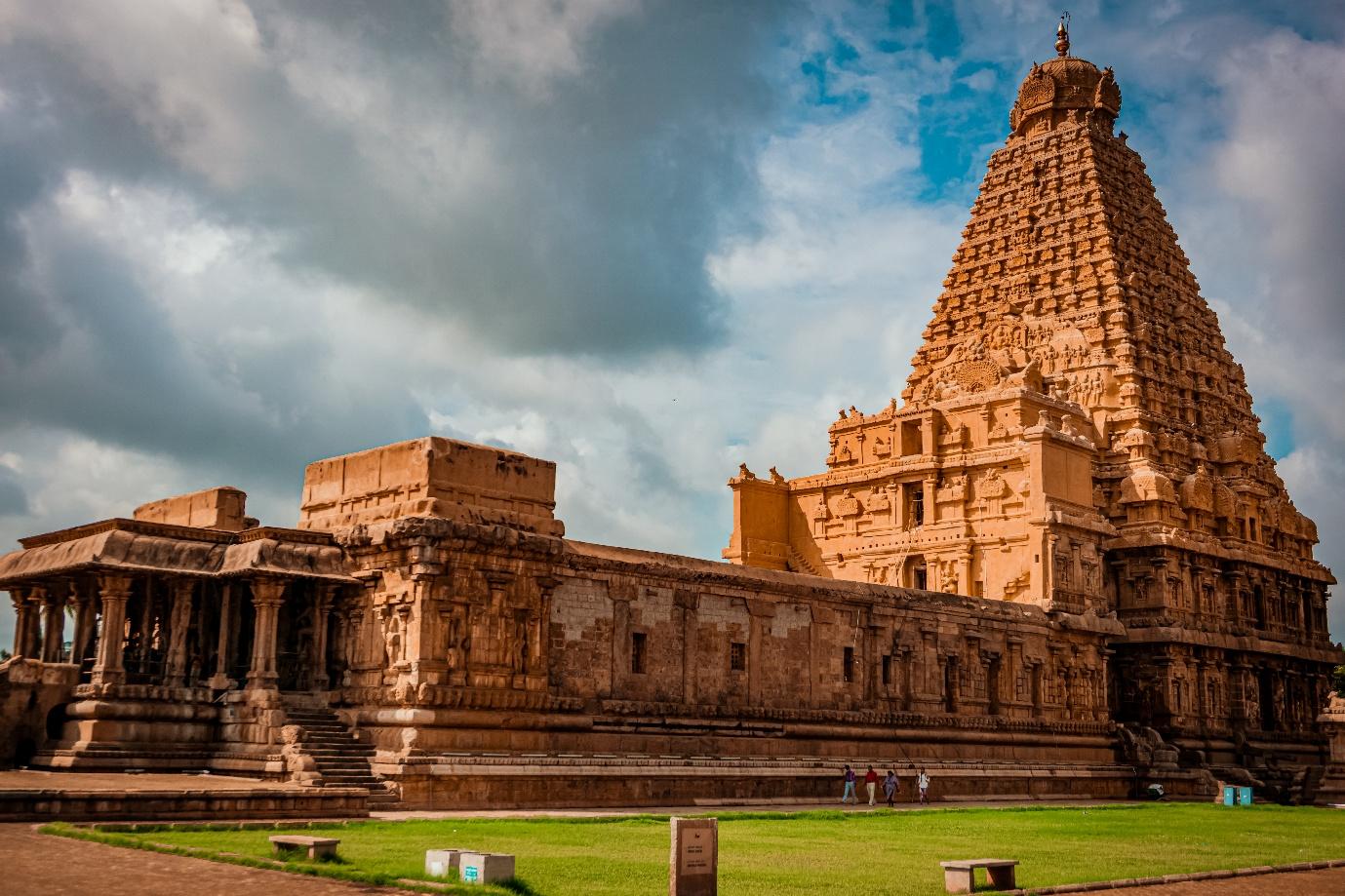
Ancient Indian architecture rises from sacred soil as living scripture carved in stone—temples where every pillar tells a myth, every frieze breathes devotion, every shikhara reaches toward the divine like mountain peaks touching sky. From rock-cut caves echoing with chants to towering vimanas piercing clouds, these structures embody cosmic order, spiritual geometry, and profound craftsmanship. Intricate carvings of gods, dancers, and mythical beasts cover surfaces like living tapestries, while stepwells plunge deep into earth like inverted temples offering water as worship. Imagine walking shadowed corridors where sunlight filters through lotus-carved ceilings, feeling the same reverence pilgrims felt millennia ago, where architecture becomes bridge between mortal and eternal.
Lotus Petals in Eternal Stone
As first light touches carved lotus blooms on ancient pillars, Indian architecture reveals its sacred geometry, where every curve and angle mirrors cosmic harmony. These timeless elements draw from earth’s own rhythms, offering ways to understand how stone became vessel for divine presence.
- Shikhara Aspiration: Towering spires rise like Himalayan peaks crowned in gold, drawing the eye heavenward as if pulling earth toward sky in silent prayer.
- Mandapa Pillars: Intricate columns bloom with dancers and deities like forest clearings filled with eternal celebration, supporting roofs while telling timeless stories.
- Gopuram Gateways: Monumental entrances tower with tiered stories of mythology, their surfaces alive with figures climbing toward heaven like vines reaching sunlight.
- Stepwell Descent: Inverted pyramids plunge deep into earth, their geometric steps and pavilions creating cool sanctuaries like canyons carved by sacred waters.
- Rock-Cut Caves: Entire temples hewn from living rock, their interiors blooming with pillars and reliefs like hidden gardens discovered within mountains.
- Nagara Curvilinear Spires: Graceful parabolic curves sweep upward in continuous motion, embodying energy rising like breath in meditation.
- Dravidian Vimana: Stepped pyramids crowned with domed shrines, their layered forms creating rhythmic ascent like waves frozen in stone.
- Amalaka Capstone: Circular stone disks perch atop spires like lotus blooms closing at dusk, symbolizing completion and cosmic wholeness.
- Stambha Victory Pillars: Slender columns rise alone, their surfaces etched with royal edicts and auspicious symbols like ancient trees bearing eternal witness.
Sacred Rivers Flowing in Stone
Like monsoon waters carving ancient riverbeds, crafting Indian temples follows sacred principles of proportion and symbolism. Follow this path to understand how vision becomes manifest in stone, one measured layer at a time.
- Select sacred site near water—river, lake, spring—where earth’s energies align with cosmic forces like rivers meeting ocean.
- Establish vastu purusha mandala—cosmic grid overlaying site—positioning temple where divine being rests, aligning every element with cardinal directions.
- Choose stone resonant with place—sandstone glowing golden, granite dark and eternal—letting material speak region’s own voice.
- Build foundation deep and stable, raising plinth like lotus rising from mud, elevating sacred space above mundane ground.
- Raise garbhagriha—womb chamber housing deity—its square form mirroring cosmic center, walls plain to focus energy inward.
- Construct mandapa halls for gathering, their pillars carved with life stories like forest groves sheltering pilgrims.
- Crown with shikhara or vimana soaring upward, its curves or steps symbolizing ascent toward divine like mountain paths to peak.
- Complete with intricate carving—every surface blooming with mythology, dance, flora, fauna—making stone alive with devotion.
The genius of ancient Indian architecture lies in its seamless union of spiritual symbolism, mathematical precision, and masterful craftsmanship. Temples were not mere shelters but cosmic diagrams made manifest, where every measurement aligned with sacred texts and every carving served as visual scripture. From Khajuraho’s sensual friezes to Ellora’s rock-cut wonders, these structures transcend time, still evoking awe and devotion. They remind us that true greatness in building comes from harmony—between material and meaning, human skill and divine inspiration, earth and eternity.
1. Intricate Temple Corridor with Carved Pillars
Walk shadowed corridors where pillars bloom with dancing figures and mythical beasts, you’ll feel stone come alive with eternal celebration. Light filters through like sunlight piercing forest canopy, illuminating carvings that seem to move with breath. This ancient Indian architecture captures devotion frozen in motion.
Let these surfaces inspire reverence for craftsmanship that turns rock into scripture, where every detail tells sacred story.
2. Rock-Cut Cave Temple Interior
Enter vast chambers hewn from living rock, you’ll marvel at pillars rising like ancient trees supporting carved ceilings blooming with lotus motifs. The space feels both intimate and infinite, darkness amplifying presence of carved deities. This ancient Indian architecture transforms mountain into sanctuary.
Experience this union of earth and spirit, where human hands make caves speak divine truths.
3. Stepwell Descent with Geometric Symmetry
Descend geometric steps plunging deep into earth, you’ll feel architecture inverted—pyramid reaching downward like roots seeking sacred water. Pavilions and arches frame sky above while cool shadows embrace below. This ancient Indian architecture creates oasis within desert.
Appreciate engineering that marries utility with beauty, turning necessity into spiritual pilgrimage.
4. Khajuraho Temple with Sensual Friezes
Gaze upon walls alive with lovers and deities entwined, you’ll sense celebration of life force carved with exquisite tenderness. Figures dance across stone in eternal embrace, embodying tantric union of body and spirit. This ancient Indian architecture honors sacred sensuality.
Embrace life’s fullness in stone, where every curve speaks of divine energy flowing through creation.
5. Ornate Temple Entrance with Multi-Armed Deities
Stand before towering gopuram alive with gods and guardians, you’ll feel threshold between worlds marked by intricate sculpture. Each tier tells cosmic story, drawing eye upward like ladder to heaven. This ancient Indian architecture makes entry into sacred space profound journey.
Cross such thresholds mindfully, and let architecture prepare heart for divine encounter.
Related Ideas
- Wabi Sabi Living Room Interior Ideas for a Calm, Peaceful Home

- Kitchen Interior Design in India: Blending Tradition with Modern Style
- Modern Magnets of Community: Inspiring Shopping Center Architecture Ideas for Vibrant Hubs

- Timeless Splendor of India: Majestic Indian Architecture Ideas for Inspired Living
- Commercial Office Interior Design Ideas for Professional Spaces

- Timeless Whispers of Stone: Enchanting Old Architecture Ideas to Inspire Enduring Beauty
6. Carved Stone Frieze Detail
Study surface where dancers and musicians flow in perfect rhythm, you’ll appreciate mastery that makes stone seem fluid. Every gesture captures movement, every expression conveys emotion across centuries. This ancient Indian architecture animates inert material.
Marvel at skill that breathes life into rock, reminding us beauty can endure beyond mortal span.
7. Ancient Temple Ruins Amid Landscape
Walk among fallen pillars embraced by nature, you’ll sense timeless dialogue between human creation and eternal cycles. Broken stone maintains dignity beside living trees. This ancient Indian architecture endures even in ruin.
Find beauty in impermanence, where time adds rather than subtracts from sacred presence.
8. Detailed Pillar Carvings with Mythical Figures
Trace columns alive with gods, guardians, and celestial beings, you’ll feel mythology standing upright in stone. Each figure tells story while supporting roof above. This ancient Indian architecture makes structure narrative.
Let buildings tell stories, and turn architecture into living scripture for generations.
9. Stepwell Geometric Patterns
Descend into perfect symmetry of stepped corridors and pavilions, you’ll appreciate engineering that creates cool sanctuary from heat. Patterns repeat like mantras carved in stone. This ancient Indian architecture marries utility with sacred geometry.
Plunge deep like these waters, and discover how practical needs can birth transcendent beauty.
10. Ramkund Sacred Bathing Area
Stand beside stepped ghats where river meets architecture, you’ll feel sacred meeting secular in perfect harmony. Stone steps lead to purifying waters like ladder between worlds. This ancient Indian architecture integrates nature and worship.
Blend built form with natural elements, and create spaces where human and divine flow together.
11. Corridor with Ornate Carved Arches
Walk vaulted passageways where arches bloom with floral and figurative carving, you’ll sense journey through paradise garden made stone. Light plays across details like sunlight through leaves. This ancient Indian architecture creates immersive experience.
Design paths that transform movement into pilgrimage, where every step deepens connection.
12. Pillar Corridor in Ancient Temple
Progress through forest of carved pillars, each unique yet harmonious, you’ll feel rhythm like heartbeat of earth itself. Figures dance in stone while supporting sacred roof. This ancient Indian architecture makes structure celebratory.
Fill spaces with life through detail, and turn functional elements into artistic expressions.
13. Temple Gopuram with Tiered Sculpture
Look up at towering gateway alive with hundreds of figures climbing toward heaven, you’ll sense cosmic hierarchy made visible. Each tier narrates different aspect of divine story. This ancient Indian architecture makes entry profound transition.
Build thresholds that prepare mind and spirit, turning physical passage into spiritual one.
14. Detailed Temple Architectural Study
Examine precise drawings of vimana and mandapa, you’ll appreciate mathematical precision underlying apparent exuberance. Proportions follow sacred ratios, every measurement resonant with meaning. This ancient Indian architecture marries science and spirit.
Study sacred geometry, and understand how numbers become vessels for divine order.
Latest Ideas
- Wabi Sabi Living Room Interior Ideas for a Calm, Peaceful Home

- Kitchen Interior Design in India: Blending Tradition with Modern Style

- Modern Magnets of Community: Inspiring Shopping Center Architecture Ideas for Vibrant Hubs

- Timeless Splendor of India: Majestic Indian Architecture Ideas for Inspired Living

- Commercial Office Interior Design Ideas for Professional Spaces

- Timeless Whispers of Stone: Enchanting Old Architecture Ideas to Inspire Enduring Beauty

15. Red Sandstone Temple Sanctuary
Enter glowing red sanctuary where stone warms under light, you’ll feel intimate embrace of sacred space. Carvings soften hard material, creating welcoming presence. This ancient Indian architecture makes divine approachable.
Use warm materials, and create spaces that welcome rather than intimidate.
16. Ruined Temple Landscape
Walk among scattered stones where nature reclaims sacred ground, you’ll sense cycle of creation and dissolution. Broken forms maintain dignity beside living trees. This ancient Indian architecture endures through time’s gentle erosion.
Find beauty in impermanence, where even ruins speak of eternal truths.
17. Ancient Temple with Ornate Entrance
Approach elaborate doorway framed by guardian figures and auspicious symbols, you’ll feel welcome into sacred realm. Carvings prepare mind for divine encounter within. This ancient Indian architecture makes transition meaningful.
Craft entrances that prepare rather than merely open, setting tone for what lies beyond.
18. Detailed Carving of Deities and Figures
Study surface where gods and mortals interact in stone, you’ll appreciate narrative density and emotional expressiveness. Each figure conveys story and feeling across centuries. This ancient Indian architecture makes myth visible and touchable.
Tell stories through detail, and let buildings become teachers of cultural memory.
19. Stepwell with Intricate Geometric Design
Descend into architectural wonder where symmetry creates meditative descent, you’ll marvel at engineering that serves both practical and spiritual needs. Patterns repeat like mantras in stone. This ancient Indian architecture achieves perfection through repetition.
Use geometry as meditation, and create spaces that calm mind through ordered beauty.
20. Ancient Temple Ruins at Sunrise
Watch first light touch broken spires and columns, you’ll witness daily renewal of ancient sanctity. Golden rays breathe life into weathered stone, reminding us continuity of worship. This ancient Indian architecture awakens with sun itself.
Greet each day with reverence, and let architecture remind us of eternal cycles.
Frequently Asked Questions
Q: What are the main styles of ancient Indian temple architecture?
Ans: Nagara (curvilinear shikhara towers in north), Dravida (pyramidal vimana in south), and Vesara (hybrid style in Deccan) represent primary ancient Indian architecture traditions, each reflecting regional climate, materials, and spiritual emphasis.
Q: Why do many ancient Indian temples have erotic sculptures?
Ans: In certain traditions like Khajuraho, sensual carvings celebrate life’s creative energy and tantric philosophy, reminding worshippers that spiritual liberation includes mastery of worldly desires rather than their denial.
Q: How were rock-cut temples like Ellora and Ajanta created?
Ans: Skilled artisans worked top-down, removing rock to create chambers, pillars, and carvings from solid basalt or granite, demonstrating extraordinary planning and craftsmanship in ancient Indian architecture.
Q: What is the significance of stepwells in ancient Indian architecture?
Ans: Stepwells served practical water needs in arid regions while functioning as social and spiritual spaces—their geometric descent symbolized journey into earth’s womb, with pavilions for rest and worship.
Q: Why do ancient Indian temples often face east?
Ans: Aligning with sunrise honors life-giving solar energy, allowing first light to touch deity within garbhagriha, symbolizing divine awakening and cosmic renewal in ancient Indian architecture.
Conclution
As evening shadows lengthen across carved pillars and stepwells fill with twilight stillness, ancient Indian architecture continues to whisper profound truths about harmony, devotion, and human creativity. These temples and stepwells were never merely structures but embodiments of cosmic order made visible—mathematics serving spirit, stone becoming scripture, craft becoming prayer. From soaring shikharas to deep subterranean waters, they remind us that true beauty emerges when form perfectly serves meaning, when every detail contributes to greater whole. You’ve journeyed through these sacred spaces—now carry their lessons forward. Start with one small element—a carved motif on your wall, a moment of mindful proportion in your home, or simply pause to appreciate the geometry around you—begin today, and let ancient wisdom illuminate your own world, one measured curve at a time.